Earthquake Insurance in Seattle: Is It Worth the Cost?
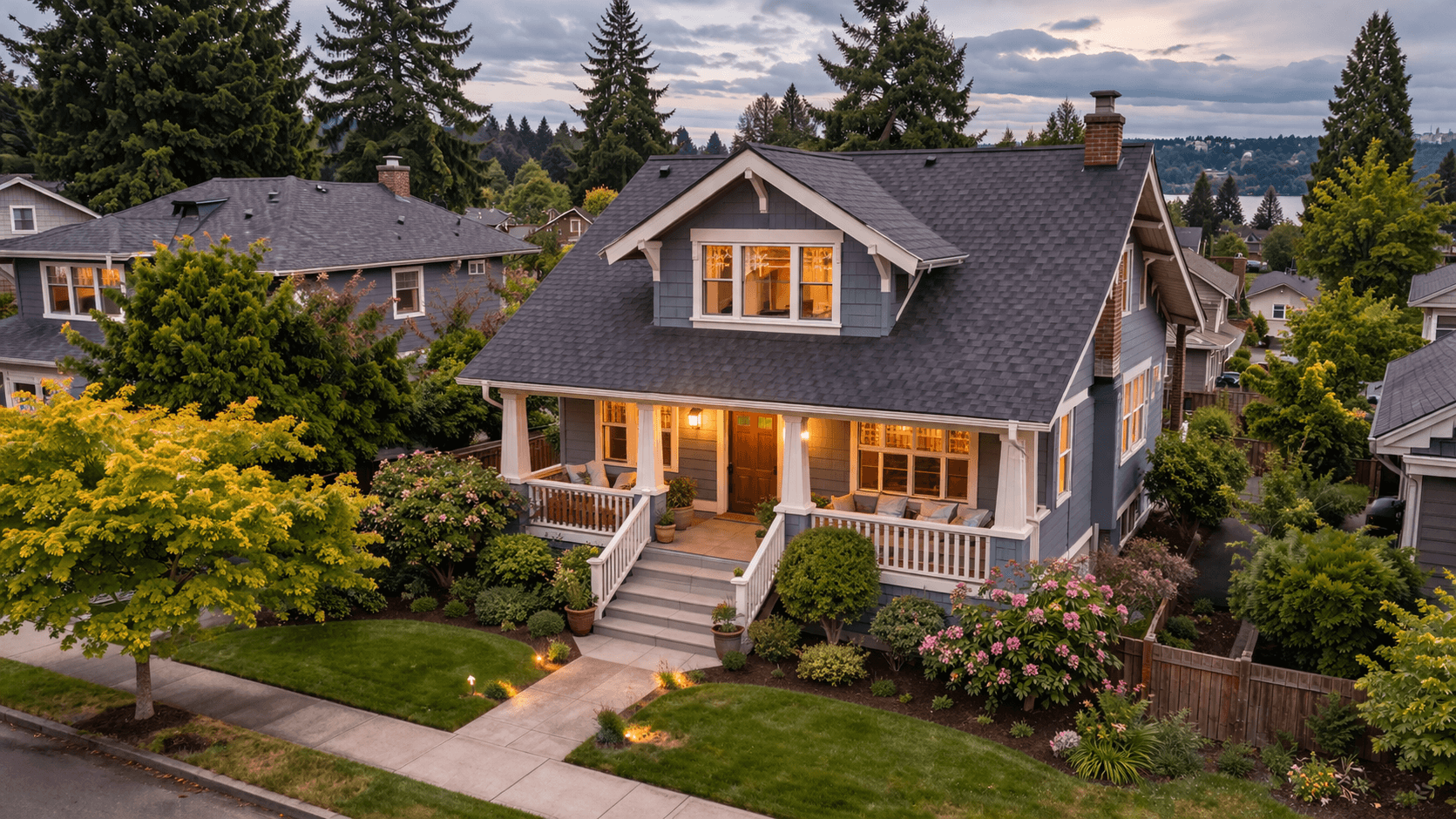
I'm going to cut right to it: your standard homeowners insurance policy does not cover earthquake damage. Not a dollar. If the Seattle Fault ruptures tomorrow and your Craftsman in Wallingford slides off its foundation, your home policy won't pay for the repairs.
Most people we talk to at our Westlake Ave office assume earthquakes are covered. They're not. Earthquake coverage requires a separate policy or endorsement, and only about 12% of Washington homeowners actually carry it. That's a gamble, and once you see the data on what we're sitting on, it's worth thinking hard about whether you want to take it.
Seattle's Earthquake Risk: The Numbers
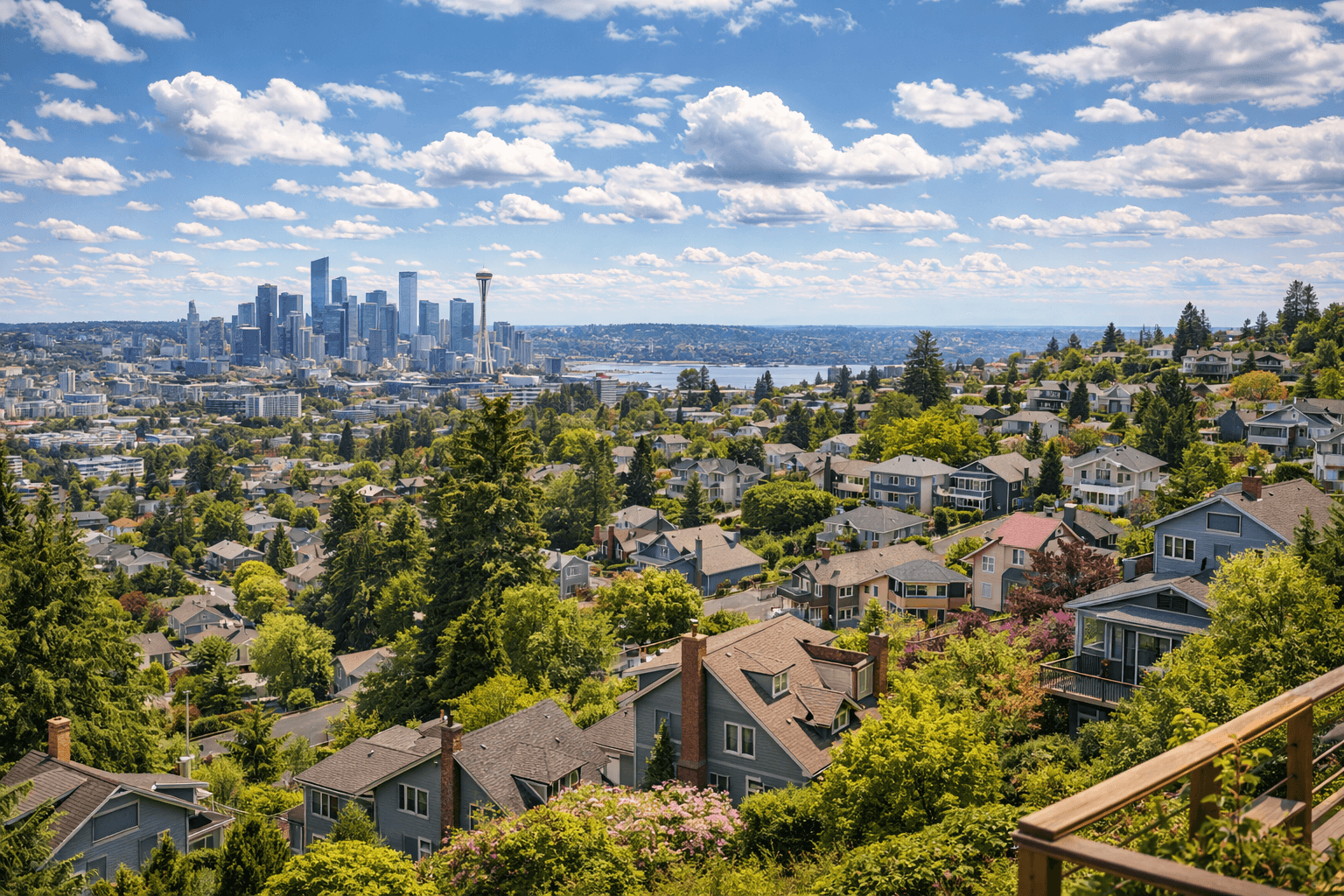
Let's talk about what's under our feet. Seattle has three major seismic threats, and any one of them could cause catastrophic damage.
| Fault / Zone | Type | Estimated Magnitude | Last Major Event | Recurrence Interval |
|---|---|---|---|---|
| Cascadia Subduction Zone | Megathrust | 9.0+ | January 1700 | 200–600 years |
| Seattle Fault | Shallow crustal | 6.5–7.5 | ~900 AD | ~1,000 years |
| South Whidbey Island Fault | Shallow crustal | 6.0–7.0 | Unknown | Unknown |
| Tacoma Fault | Shallow crustal | 6.5–7.0 | ~1,100 years ago | ~500 years |
The Cascadia Subduction Zone gets the headlines, and for good reason - a 9.0 quake would be devastating. But the Seattle Fault is arguably scarier for property damage in the city. It runs directly under downtown, through Harbor Island, under the stadiums, and into Bellevue. A magnitude 7.0 on a fault that shallow, that close? The 2001 Nisqually earthquake was a 6.8, centered 36 miles underground near Olympia, and it caused $2 billion in damage across the region. A shallow quake directly under Seattle would be a different animal entirely.
The USGS gives Seattle a high seismic hazard rating - on par with parts of California.
What Does Earthquake Insurance Actually Cover?
Earthquake insurance typically covers three things:
- Dwelling coverage: Repairs or rebuilding of your home's structure
- Personal property coverage: Replacement of damaged belongings (furniture, electronics, clothing)
- Loss of use / additional living expenses: Hotel and living costs if your home is uninhabitable
Some policies also include:
- Chimney repair: Often covered under a separate sub-limit
- Foundation repair: Critical in Seattle, where many older homes have unreinforced masonry foundations
- Land stabilization: Matters a lot if you're on a hillside in Queen Anne or Magnolia
What earthquake insurance does not typically cover:
- Flood damage caused by an earthquake (that's a separate flood policy)
- Vehicle damage (covered under your auto policy's comprehensive coverage)
- Damage from fires following an earthquake (your standard home policy covers fire, so this is actually the one scenario where your regular policy helps)
What Does It Cost in Seattle?
Here's where people's eyes go wide. Earthquake insurance isn't cheap, and the deductibles are high. But the numbers are more manageable than most people expect.
Average Annual Premiums in the Seattle Area
| Home Value | Construction Type | Annual Premium | Deductible (typically 10–15%) |
|---|---|---|---|
| $500,000 | Wood frame | $800–$1,200/yr | $50,000–$75,000 |
| $700,000 | Wood frame | $1,100–$1,700/yr | $70,000–$105,000 |
| $900,000 | Wood frame | $1,400–$2,200/yr | $90,000–$135,000 |
| $500,000 | Masonry/brick | $1,500–$2,400/yr | $50,000–$75,000 |
| $700,000 | Masonry/brick | $2,100–$3,200/yr | $70,000–$105,000 |
A few things to notice:
Construction type matters enormously. Wood-frame homes flex during earthquakes. Masonry and brick crack and crumble. If you've got one of those gorgeous brick Tudors in Mount Baker, your premium will be roughly double what your neighbor in the wood-frame Craftsman pays.
The deductible is a percentage, not a flat number. This trips people up. A 10% deductible on a $700,000 home means you're covering the first $70,000 of damage out of pocket. That's a lot. But consider the alternative: a total loss on a $700,000 home with zero coverage.
The Big Question: Is It Worth It?
Let's do some real math.
Scenario: You own a $700,000 wood-frame home in Phinney Ridge.
- Earthquake policy premium: $1,400/year
- Deductible: 10% ($70,000)
- Coverage limit: $700,000 dwelling, $350,000 personal property
Over 30 years (a typical mortgage period), you'll pay $42,000 in premiums to make sure a catastrophic earthquake doesn't wipe you out financially.
Without coverage, a major earthquake that causes $400,000 in structural damage to your home means you're paying $400,000 out of pocket. Or walking away from the property while still owing $450,000 on your mortgage.
With coverage and a $70,000 deductible, that same $400,000 in damage costs you $70,000. Still painful. But manageable - especially compared to $400,000.
When Earthquake Insurance Makes Clear Sense
- You have a mortgage. If your home is destroyed, you still owe the bank. You can't just walk away without destroying your credit for years.
- Your home is on a hillside or near water. Soil liquefaction in areas near Puget Sound, the Duwamish, or fill areas (looking at you, SoDo and parts of Georgetown) dramatically increases damage risk.
- You have an older home with an unreinforced foundation. Many pre-1970 Seattle homes have cripple walls or unreinforced masonry that are extremely vulnerable.
- You don't have $200,000+ in liquid savings to self-insure a major loss. Most people don't.
When You Might Skip It
- Your home is paid off and you have significant savings
- You're in a newer construction (post-2000) built to modern seismic codes on solid ground
- You're willing to accept the risk and have a financial backup plan
Retrofitting: A Smarter Investment Than You Think
Before you buy a policy - or alongside one - consider seismic retrofitting. Bolting your home to its foundation costs $3,000–$7,000 for most Seattle homes. Installing cripple wall bracing runs $5,000–$10,000. These upgrades dramatically reduce your earthquake damage risk, and many insurance carriers will give you a 10–20% discount on your earthquake premium after retrofitting.
The Washington State Department of Commerce has occasionally offered rebate programs for seismic retrofits. Worth checking their site or asking us - we keep tabs on these things.
Who Sells Earthquake Insurance in Washington?
Your regular homeowners carrier may offer an earthquake endorsement, but the rates vary wildly. Here are the main options:
- GeoVera: Specializes in earthquake insurance. Often competitive for newer wood-frame homes.
- Arrowhead / American Modern: Another earthquake specialist with flexible options.
- Safeco, Travelers, PEMCO: Offer earthquake endorsements as add-ons to their homeowners policies. Convenience of one carrier, but not always the best rate.
- CEA-style options: Washington doesn't have a state-run earthquake pool like California's CEA, but there's been legislative discussion about creating one.
We shop earthquake coverage across all of these when clients ask. The price difference between the cheapest and most expensive option for the same home can be $400–$800/year, so comparing is worth your time.
What to Do Next
Here's my honest advice after 30 years of writing insurance in Seattle:
- Find out your home's construction type and foundation. If you don't know, hire a home inspector or structural engineer. Budget $300–$500.
- Check your soil type. The USGS and City of Seattle have liquefaction maps. If you're on fill or in a liquefaction zone, your risk is significantly elevated.
- Get a quote. It costs nothing, and you'll have real numbers to make a decision with.
- Consider retrofitting regardless. Even if you skip the insurance, spending $5,000 to bolt your house to its foundation is one of the best investments you can make in Seattle.
We run earthquake quotes for clients all the time - it takes about 15 minutes. Call us at (425) 777-1858 or swing by the office near Lake Union. We'll pull numbers from multiple carriers and walk you through the math for your specific home.
Seattle is a fantastic place to live. The mountains, the water, the food, the neighborhoods - there's nowhere else like it. But we're sitting on some serious geology. It's worth having a plan.
Need help with your insurance?
Good People Insurance Group shops 8+ carriers to find you the best rate. Free quotes, no obligation.